
.png&w=48&q=75)
Defining Seasonal Employment
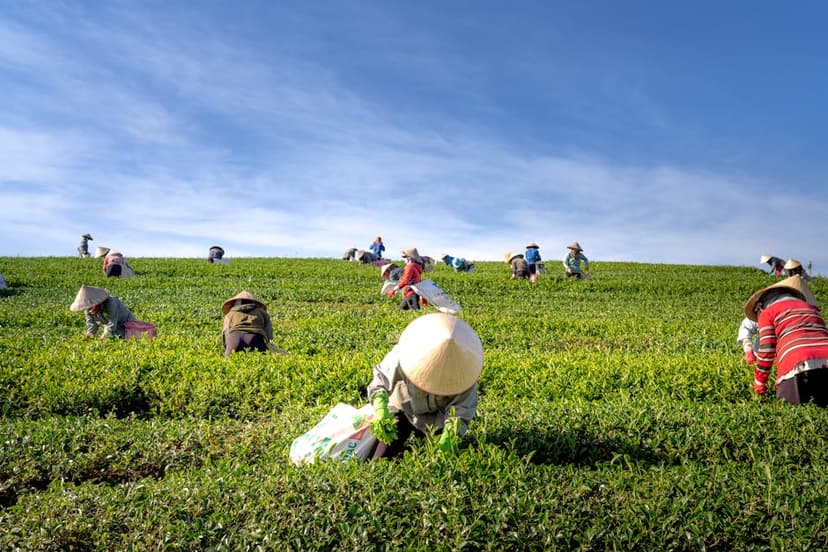
Seasonal employment is a unique category of fixed-term work designed for industries that experience predictable spikes in activity. These roles are directly tied to the time of year or specific seasonal events, such as harvests or peak holiday periods.
- Agriculture and Horticulture: Planting, tending, and harvesting crops.
- Tourism and Hospitality: Staffing for ski resorts, summer beach clubs, or festival seasons.
- Retail: Temporary surges during end-of-year holiday periods.

Key Contractual Elements
A robust seasonal employment contract must clearly define the temporary nature of the role to avoid legal disputes regarding permanent employment status. Precision in wording is critical for compliance with labor laws.
Essential Clauses
- Fixed Duration: Clearly state the start and end dates or define the specific event/harvest that marks the end of the contract.
- Job Description: Detail the specific seasonal tasks the employee is hired to perform.
- Remuneration: Outline the hourly rate or piece-rate pay, ensuring it meets or exceeds the national minimum wage.
- Working Hours: Specify expected hours, including any requirements for overtime during peak production times.
Note: In many jurisdictions, seasonal workers are entitled to the same pro-rata benefits as permanent staff, including paid leave and public holiday entitlements.

Employer Obligations and Compliance
Employers hiring seasonal workers often face additional regulatory requirements, particularly when recruiting foreign nationals or providing staff accommodation.
Health and Safety
Employers must provide a safe working environment and necessary training. This is especially vital in high-risk sectors like agriculture where heavy machinery or chemicals are used.
Accommodation and Welfare
If the employer provides housing, it must meet specific health and safety standards. Deductions for accommodation from wages are often strictly regulated by law to prevent exploitation.
Work Permits and Visas
When hiring from abroad, employers must ensure the worker holds a valid seasonal work visa. This often involves:
- Applying for a Certificate of Sponsorship or equivalent.
- Verifying the worker's right-to-work status before commencement.
- Monitoring visa expiry dates to prevent illegal overstaying.

Ending the Seasonal Contract
Unlike standard employment, seasonal contracts typically end automatically on the date specified or upon completion of the task. However, employers should follow a professional offboarding process.
- Notice Periods: Ensure any early termination clauses are clearly defined and comply with local labor statutes.
- Final Pay: All outstanding wages, including accrued but untaken holiday pay, must be settled in the final paycheck.
- Record Keeping: Maintain records of the employment duration and tax contributions for at least the legally required period (often 3 to 7 years).
Failure to manage the end of a contract correctly can lead to claims of unfair dismissal, particularly if the employee has been rehired over several consecutive seasons.


Cabin Steward / Housekeeping Attendant

Deck Cleaning Crew


Related Articles

Jobs in Greece for Foreigners: 2026 Hiring Guide
Find seasonal work in Greece and start your European career fast.
Spain Work Permit: 2026 Guide for Foreign Workers
A clear guide to getting your Spain work visa and why seasonal paths are faster.

NZ Seasonal Jobs with Visa Sponsorship: 2026 Guide
Explore New Zealand's 2026 visa rules and discover why Mediterranean Europe offers a faster, easier path for seasonal work.