
.png&w=48&q=75)
seasonal jobs in italy

Seasonal Jobs in Italy: 2026 Guide for Foreign Workers
Italy remains one of the most popular places for seasonal work in Europe. From the sun-drenched vineyards of Tuscany to the busy summer resorts of the Amalfi Coast, the demand for foreign workers is high. However, getting a job in Italy requires understanding the strict government rules known as the Decreto Flussi. While Italy is beautiful, the visa process can be a lottery. At MEUSEPF, we help you find the right job while offering a faster, more reliable path to European seasonal work across the entire Mediterranean region.
The 2026 Seasonal Job Calendar in Italy
Work in Italy is divided into two main sectors: agriculture and tourism. Because these jobs depend on the weather and travel seasons, timing your application is the most important step for success.
- Summer Tourism (May to September): This is the peak time for hotels, restaurants, and beach clubs. Most hiring happens between January and March. Popular areas include Rimini, Sicily, and the Italian Lakes.
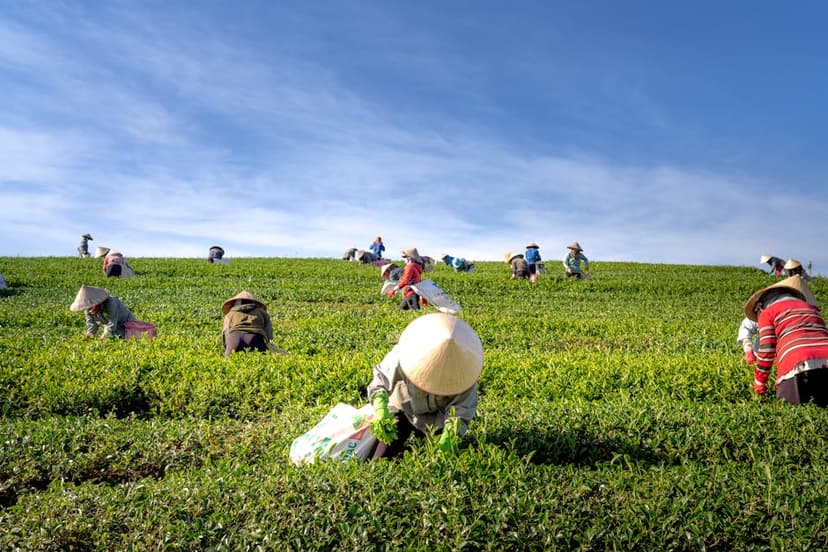
- Agricultural Harvests (August to October): This period focuses on grape harvesting (vendemmia) and olive picking. Workers are needed across the central and southern regions.
- Winter Tourism (December to March): Ski resorts in the Dolomites and the Alps require staff for hospitality and maintenance.
Visa Rules and the Decreto Flussi
For non-EU citizens, the primary way to get a seasonal job in Italy is through the Decreto Flussi (Flow Decree). This is a government law that sets a specific number of work permits available for the year. For 2025, the quota was set at 181,000 workers, and similar numbers are expected for 2026 Italian Ministry of Interior.
Eligibility Requirements:
- A valid job offer from an Italian employer.
- A passport valid for at least six months beyond your stay.
- The employer must apply for a "Nulla Osta" (work authorization) during the "Click Day" period.
The biggest challenge is the "Click Day" system. Applications are processed in the order they are received. Because thousands of people apply at the exact same second, the quota often fills up within minutes. This makes the Italian process very difficult and uncertain for many foreign workers. If you want a more stable option, consider looking at Seasonal Jobs Hiring: 2026 Guide to Fast Visa Sponsorship for alternatives in other EU countries.
Average Pay and Working Conditions
Pay in Italy varies by sector and region. While there is no single national minimum wage, pay is governed by National Collective Agreements (CCNL) Italian Ministry of Labour.
| Job Sector | Estimated Monthly Pay | Typical Benefits |
|---|---|---|
| Fruit/Vegetable Picking | €1,100 - €1,400 | Basic housing often provided |
| Waiter/Hospitality | €1,300 - €1,600 | Meals included, tips possible |
| Hotel Housekeeping | €1,200 - €1,500 | Shared accommodation common |
Note: These figures are estimates based on 2025 labor data from ISTAT.
Why MEUSEPF is a Faster Path than the Italian Lottery
The Italian system is famous for delays. Processing a seasonal visa can take 3 to 6 months, and if you miss the Click Day, you have to wait another year. MEUSEPF works differently. We connect foreign workers with employers across the Mediterranean—including Spain, Greece, and Portugal—where the visa systems can be more predictable and less reliant on a single "lottery" day.
By using our platform, you can find Visa Sponsorship Jobs in Europe that offer a faster start date. We focus on employers who have a proven track record of helping foreign staff get their paperwork done quickly and safely.
Steps to Apply for Seasonal Work
- Find an Employer: You cannot apply for the visa yourself. You must find an employer first. Use the MEUSEPF platform to find verified Italian and European companies.
- Sign a Contract: Once you have a job offer, you will sign a "contratto di soggiorno."
- Employer Applies for Nulla Osta: Your employer submits the request to the local immigration office (Sportello Unico per l’Immigrazione).
- Visa Application: Once the Nulla Osta is issued, you take it to the Italian embassy in your home country to get your visa.
If you are interested in outdoor work, you can also explore our specific guide on Farm Jobs with Visa Sponsorship in Europe.
Frequently Asked Questions
How much does the Italian seasonal visa cost?
The visa fee at the embassy is usually around €116. However, you should also budget for health insurance and travel costs. Your employer handles the cost of the work authorization in Italy.
Do I need to speak Italian to get a job?
For farm work, basic English is often enough. For tourism and hospitality, speaking some Italian is a big advantage and will help you earn higher tips and better positions.
Is accommodation provided?
In most seasonal contracts, especially in agriculture and resort tourism, the employer is required to show they have arranged housing for you. This cost is sometimes deducted from your salary, but it must meet legal living standards.
What is the success rate for Italian seasonal visas?
The success rate depends entirely on the quota. If your application is submitted within the quota and your paperwork is correct, approval rates are high. However, the rejection rate is high for those who apply after the quota is reached.
Ready to start your work in Europe? Don't leave your future to a lottery. Join MEUSEPF today to find verified seasonal jobs with visa sponsorship in Italy and across the Mediterranean. Sign up now to access the 2026 hiring list!
- #Agriculture Jobs
- #Europe 2026
- #Italy
- #Seasonal Work
- #Tourism Jobs
- #Visa Sponsorship


Cabin Steward / Housekeeping Attendant

Deck Cleaning Crew
Related Articles

Jobs in Greece for Foreigners: 2026 Hiring Guide
Find seasonal work in Greece and start your European career fast.
Spain Work Permit: 2026 Guide for Foreign Workers
A clear guide to getting your Spain work visa and why seasonal paths are faster.
NZ Seasonal Jobs with Visa Sponsorship: 2026 Guide
Explore New Zealand's 2026 visa rules and discover why Mediterranean Europe offers a faster, easier path for seasonal work.