
.png&w=48&q=75)
farm jobs with visa sponsorship
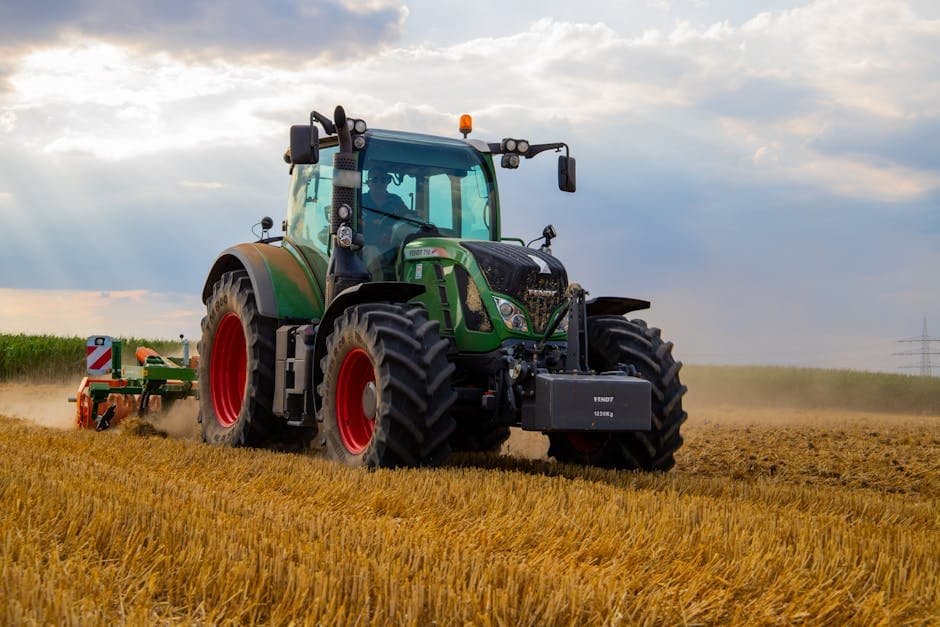
Farm Jobs with Visa Sponsorship in Europe: Your Path
Are you searching for farm jobs with visa sponsorship to work abroad? Many foreign workers look to countries like the USA or Canada, but Europe offers a faster, safer, and realistic path to seasonal agricultural employment. MEUSEPF specializes in connecting non-EU citizens with legitimate seasonal work opportunities in Mediterranean Europe, ensuring you have the necessary visa sponsorship to start your job.
Forget the long, uncertain waits often associated with other regions. European seasonal work programs are designed to meet agricultural demands, providing clear pathways for foreign workers. This guide will help you understand the visa sponsorship process for farm jobs in Europe, detailing requirements, expected pay, and how MEUSEPF can help you secure your next seasonal role.
Understanding European Seasonal Farm Work Visas
Working in Europe as a seasonal agricultural worker requires a specific visa or work permit, which is typically sponsored by your employer. The European Union has a directive on seasonal workers, ensuring fair working conditions, adequate accommodation, and equal employment rights for non-EU citizens, although Denmark and Ireland operate under national laws. These visas generally require workers to return to their home country after the employment period.
Key European Seasonal Worker Visas:
- Italy (Decreto Flussi): This is a significant program for non-EU seasonal workers, allocating thousands of permits annually. For 2025, Italy expects to issue 93,550 seasonal work visas, increasing from 89,050 in 2024. The 2026 quota is projected to be over 42,000 seasonal work permits. Employers apply for a work authorization (Nulla Osta) on your behalf, which is crucial for your visa application.
- Spain (Orden GECCO): Spain uses the Collective Hiring at Source (Orden GECCO) to recruit large groups of non-EU seasonal farm workers. In 2025, 25,767 foreign workers entered Spain under this program, primarily for agricultural harvesting. This order allows for a four-year, multi-entry authorization, letting workers stay up to nine months a year, provided they return home after each season.
- Germany: Germany also offers streamlined processes for seasonal agricultural workers, with opportunities available in various farming sectors. The country has a national minimum wage that applies to all agricultural workers, regardless of nationality.
Eligibility for these visas typically requires a valid job offer, proof of accommodation, proof of return travel plans, and health insurance. A valid passport (with at least six months of validity beyond your intended stay) and proof of financial means are also standard requirements.
The Visa Sponsorship Process for European Farm Jobs
Securing a farm job with visa sponsorship in Europe follows a structured process, with the employer playing a central role. Here's how it generally works:
- Job Offer & Employer Sponsorship: Your journey begins when a European farm employer offers you a seasonal position. This employer must be registered and authorized to sponsor foreign workers. They initiate the sponsorship process by applying for work authorization on your behalf with their national immigration authorities. For example, in Italy, the employer submits an application for a Nulla Osta to the One-Stop-Shop for Immigration.
- Work Authorization Approval: Once the employer's application for work authorization is approved, the relevant consulate or embassy in your home country is informed. This authorization is essential for you to apply for your visa.
- Visa Application Submission: With the work authorization in hand, you can then submit your seasonal work visa application to the embassy or consulate of the European country where you will be working. It is important to apply early, as visa appointments and approvals can take several weeks.
- Entry and Residence Permit: Upon receiving your visa, you can travel to Europe. Once you arrive, you typically have a short period (e.g., eight days in Italy) to apply for a residence permit with the local immigration office. This permit officially allows you to live and work in the country for the duration of your seasonal contract.
The employer's commitment to sponsorship is key. They are responsible for ensuring your employment contract is legitimate and that you meet the conditions for seasonal work.
Finding Sponsored Farm Employers in Europe
Finding legitimate employers who offer visa sponsorship is crucial. MEUSEPF is dedicated to helping foreign workers like you connect with verified seasonal farm jobs in Mediterranean Europe. We focus on opportunities that provide clear visa pathways, ensuring a transparent and secure employment process.
Beyond MEUSEPF, you can also explore national job portals and the European Job Mobility Portal (EURES) to find seasonal agricultural vacancies. When searching, always prioritize employers who explicitly mention visa sponsorship and adhere to fair labor practices. Researching potential employers is a vital step to confirm their legitimacy.
Application Guide & Key Success Factors
To maximize your chances of securing a seasonal farm job with visa sponsorship in Europe, pay close attention to your application. Here's a guide to the essential documents and tips for success:
Required Documents:
- A valid passport, typically with at least six months of validity beyond your intended stay.
- A confirmed employment contract or job offer from a licensed European employer.
- Proof of adequate accommodation for your stay.
- Proof of sufficient financial means to support yourself, often around €500+ per month, unless your employer covers living costs.
- Health insurance coverage for the duration of your stay.
- Proof of your intention to return to your home country after the seasonal work, such as return travel tickets or strong ties to your home country.
- A clean criminal record certificate and a medical fitness certificate.
- Completed visa application forms specific to the country you are applying to.
Tips for a Smooth Application Process:
- Start Early: Seasonal jobs and visas are in high demand, so begin your application process well in advance of the harvest season.
- Double-Check Everything: Incomplete or incorrect documentation is the leading cause of visa application delays and rejections. Ensure all details match your supporting documents.
- Research Your Employer: Verify the legitimacy of your job offer and the employer. MEUSEPF works with trusted partners to mitigate this risk.
- Be Clear About Your Intentions: Consulates look for clear travel purpose and strong ties to your home country to ensure you intend to return after your seasonal work.
- Stay Flexible: Being open to different roles or locations within Europe can increase your opportunities.
Processing times for seasonal work visas can vary, with some work authorizations like Italy's Nulla Osta targeting 30-60 days for approval. Visa appointments and approvals can take several weeks, so timely submission is essential.
Comparative Overview of Seasonal Farm Work in Key EU Countries
| Country | Visa Type / Program | Typical Duration | Average Hourly Pay (Gross) | Key Quotas / Notes |
|---|---|---|---|---|
| Italy | Decreto Flussi Seasonal Worker Visa | 20 days to 9 months | €7–12 per hour | 93,550 seasonal visas for 2025; 42,000+ expected for 2026; employer-sponsored Nulla Osta required. |
| Spain | Orden GECCO (Collective Hiring) | Up to 9 months per year (multi-entry for 4 years) | €7–12 per hour (Average €11/hour for farm worker) | 25,767 foreign workers in 2025; employer must provide accommodation. |
| Germany | Seasonal Agricultural Worker Visa (General) | Up to 90 days (can be extended) | €12.82 per hour (minimum wage, 2025) | Streamlined process for agricultural workers; often includes accommodation/meals. |
| France | Travailleur Saisonner Visa | Up to 6 months (can be renewed) | €8–13 per hour | Opportunities in vineyards and harvests; some employers offer accommodation. |
Frequently Asked Questions About Seasonal Farm Work in Europe
- How much does a seasonal work visa for Europe cost?
- Visa fees vary by country. For example, a general visa to Italy costs €116, plus additional administrative costs for residence permits which can be €40-€100 depending on the duration, plus postal and tax stamp fees. You will also need to account for travel insurance and potentially other document fees.
- How long does it take to get a seasonal farm work visa?
- The overall timeline can range from several weeks to a few months. This includes the time for your employer to secure work authorization (e.g., 30-60 days for Italy's Nulla Osta) and the processing time for your visa application at the embassy or consulate, which can take weeks. Starting early is always recommended.
- Do I need to speak the local language for farm jobs?
- While not always mandatory, basic communication skills in the local language (e.g., Italian, Spanish, German, French) or English can be highly beneficial for farm jobs, especially for understanding instructions and interacting with colleagues. Some roles may require more language proficiency than others.
- Is accommodation provided for seasonal farm workers?
- Often, yes. Many European farm employers provide free or subsidized accommodation, and sometimes meals, as part of the employment package, especially in Germany. In Spain, employers are legally required to house seasonal staff for the entire assignment. This significantly reduces your living costs and makes seasonal work more accessible.
Embarking on seasonal farm work in Europe with visa sponsorship is a realistic and rewarding path for foreign workers. MEUSEPF is here to help you navigate this process, connecting you with trusted employers and providing the information you need for a successful experience.
Ready to start your European seasonal farm work journey? Explore opportunities and get expert guidance with MEUSEPF today!
- #Europe
- #agriculture
- #farm work
- #seasonal jobs
- #sponsorship
- #visa
- #work permit


Cabin Steward / Housekeeping Attendant

Deck Cleaning Crew


Related Articles
Scotland Jobs with Visa Sponsorship: 2026 Guide & Faster Paths
Why the 2026 UK visa rules make Mediterranean Europe a better choice for foreign workers.

Seek.com.au Visa Sponsorship: Is Europe a Faster Path?
Why finding a sponsor on Seek is harder in 2026 and how to start working in Europe faster.
482 Visa Sponsorship Jobs: Australia vs. Europe 2026
Why European seasonal work is a faster path to employment than the Australian 482 visa.