.png&w=48&q=75)
Overview of Seasonal Work in Mediterranean Europe
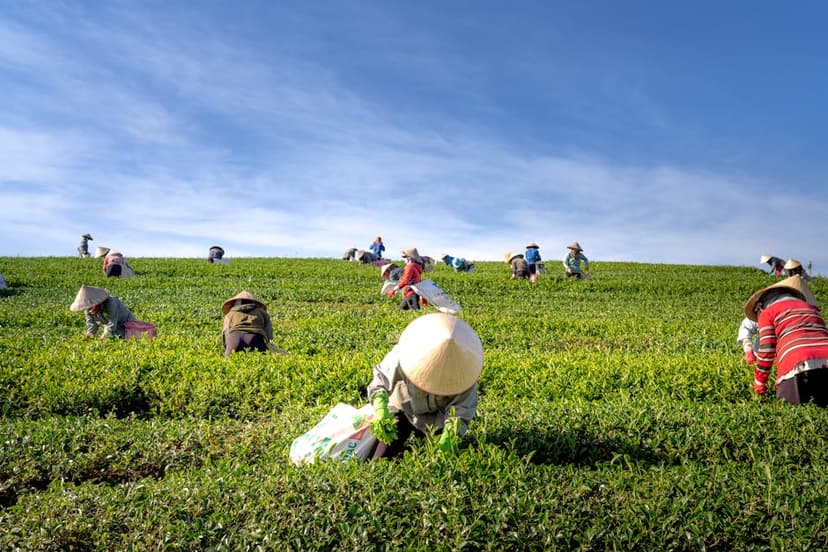
Seasonal employment in Mediterranean Europe is a vital component of the region's economy, primarily driven by the agricultural and tourism sectors. For non-EU citizens, this involves a specific legal framework designed to meet temporary labor demands through circular migration models.
- Nature of Work: Short-term contracts typically lasting between 3 and 9 months.
- Primary Destinations: Spain, Italy, and Greece are the leading countries offering structured seasonal worker programs.
- Legal Requirement: A valid work permit and a seasonal visa are mandatory for all third-country nationals (TCNs).
Key Destinations and National Programs
Each country manages its labor needs through annual or biennial quotas, determining the number of foreign workers allowed to enter for specific roles.
Spain: The GECCO Program
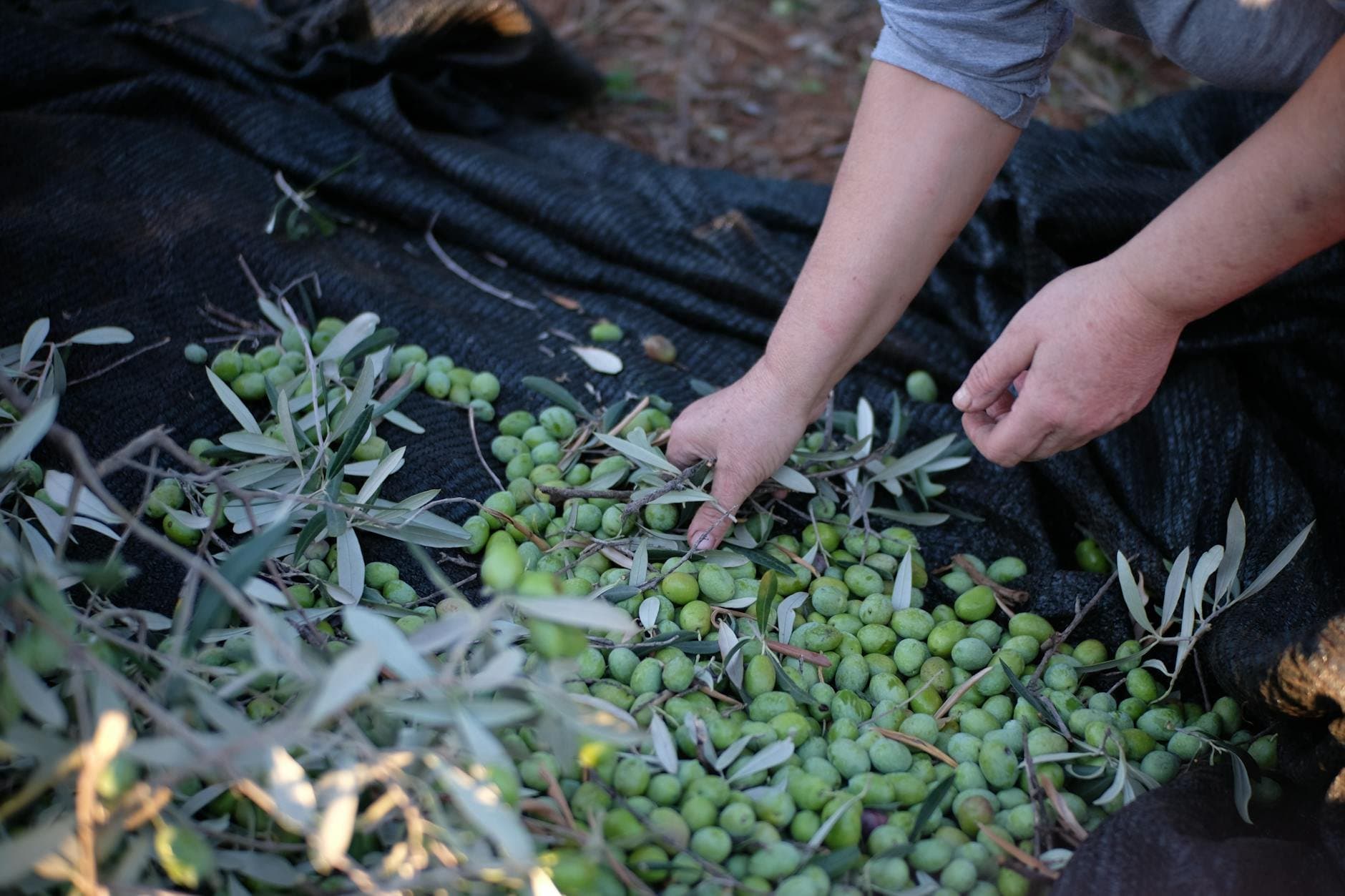
Spain utilizes the GECCO Order to manage circular migration. This program is heavily focused on the agricultural sector, particularly in regions like Huelva and Almeria.
- Duration: Permits allow for up to 9 months of work within a calendar year.
- Multi-year Permits: Reliable workers can often obtain 4-year authorizations, allowing them to return annually for 9 months without reapplying for a full visa each time.
- Travel: Spanish law generally requires employers to cover the worker's travel costs.
Italy: Decreto Flussi
Italy regulates seasonal labor through the Decreto Flussi, which sets annual entry caps for various employment categories.
- 2025 Quotas: The Italian government has set a target of approximately 165,000 total work permits for 2025, with a significant portion reserved for seasonal agricultural and hospitality work.
- Sectors: Agriculture and the "tourist-hotel" sector are the primary recipients of these quotas.
- Priority: Preference is often given to citizens of countries that have bilateral migration agreements with Italy.
Greece: Biennial Labor Decisions
In Greece, the government issues a Joint Ministerial Decision every two years to establish the maximum number of seasonal jobs available by region and specialty.
- Duration: Typically up to 9 months in a 12-month period for agriculture and tourism.
- Application: The process is employer-led; the employer must prove they cannot find a local worker before inviting a non-EU national.
Worker Rights and Protections
Regardless of the country, seasonal workers in the EU are protected by the Seasonal Workers Directive, which ensures they receive treatment equal to that of national workers.
Wages and Contracts
Workers must be provided with a written contract before they travel. This contract must specify pay, working hours, and the duration of the job.
- Minimum Wage: Wages cannot be lower than the national minimum wage or the rate established by relevant collective bargaining agreements.
- Deductions: Excessive deductions for tools or equipment are generally prohibited.
Housing Standards
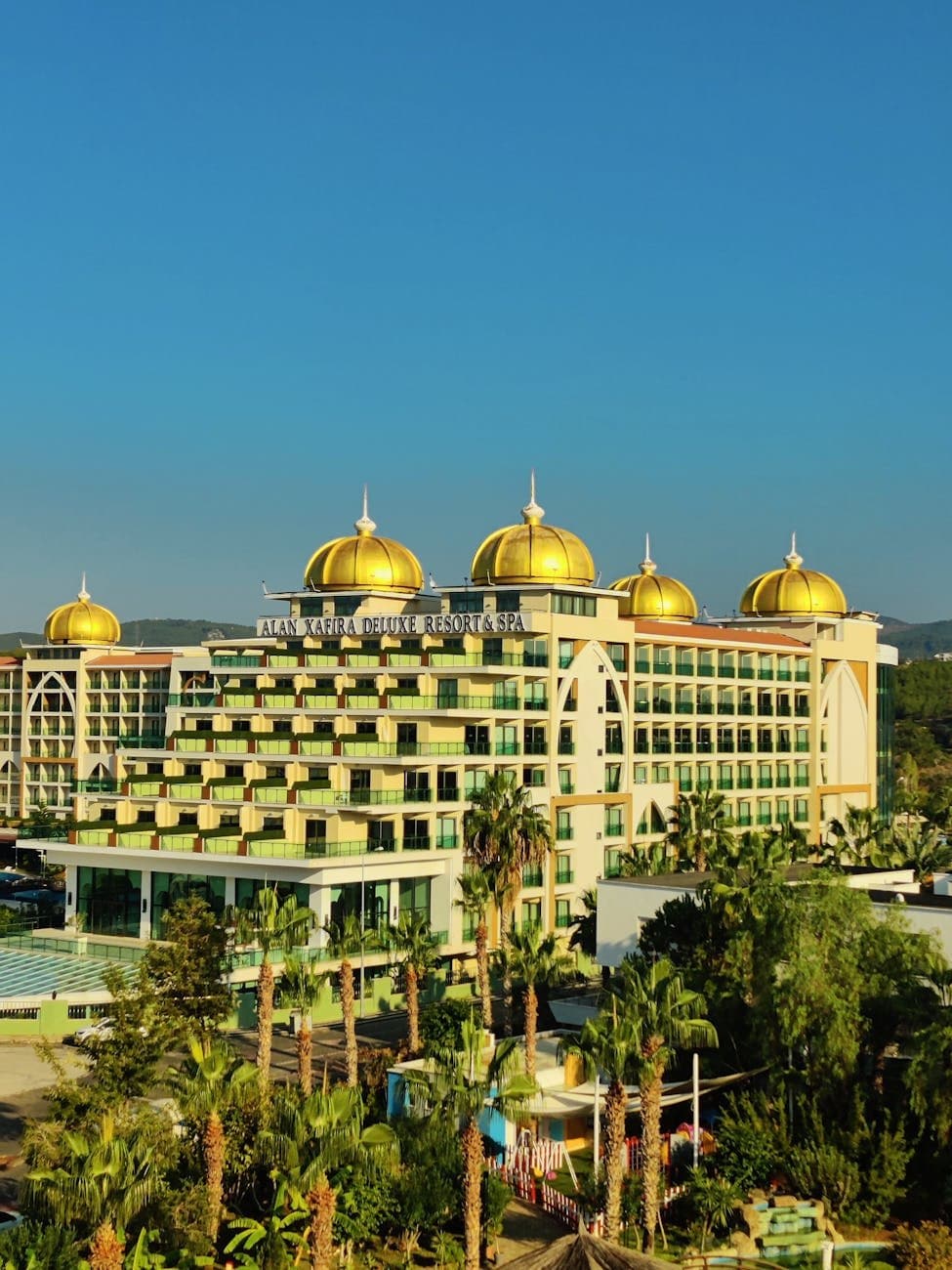
Accommodation is a critical component of seasonal work regulations. Employers are often legally obligated to ensure workers have access to "dignified" housing.
In Spain and Greece, employers must provide evidence of adequate housing (hygiene and safety) as part of the visa application process. If the employer provides the housing, the rent must not be excessive in relation to the worker's net salary.
General Application Procedure
The application for a seasonal work visa is a two-step process involving both the employer in Europe and the worker in their home country.
- Step 1: Employer Authorization. The employer applies for a work authorization (e.g., Autorización de trabajo in Spain or Nulla Osta in Italy) from local labor or immigration authorities.
- Step 2: Visa Issuance. Once authorization is granted, the worker applies for a Type D national visa at the European consulate in their country of residence.
- Step 3: Return Commitment. Applicants must formally commit to returning to their home country once the contract expires to remain eligible for future programs.
Note: Failure to return at the end of the authorized period can lead to a ban on future entry into the Schengen Area and disqualification from circular migration programs.


Cabin Steward / Housekeeping Attendant

Deck Cleaning Crew

Related Articles

Jobs in Greece for Foreigners: 2026 Hiring Guide
Find seasonal work in Greece and start your European career fast.
Spain Work Permit: 2026 Guide for Foreign Workers
A clear guide to getting your Spain work visa and why seasonal paths are faster.
NZ Seasonal Jobs with Visa Sponsorship: 2026 Guide
Explore New Zealand's 2026 visa rules and discover why Mediterranean Europe offers a faster, easier path for seasonal work.