
.png&w=48&q=75)
General Visa and Eligibility Questions
International workers often have questions regarding their initial eligibility and the limitations of their specific visa categories. Understanding these fundamentals is crucial for maintaining legal status.
- What is the difference between a sponsored and non-sponsored visa? A sponsored visa requires a specific employer to act as your guarantor, while non-sponsored visas (like certain talent or graduate visas) allow you to work for any employer.
- How long can I stay on a work visa? Duration depends on your specific visa type and the length of your job contract, typically ranging from 2 to 5 years with options to extend.
- Can I work multiple jobs? Most sponsored visas restrict you to your primary sponsor, though some allow 'supplementary employment' in the same profession for a limited number of hours per week.
Employer Sponsorship and Changing Jobs
Sponsorship is a formal arrangement where an employer takes responsibility for an overseas worker. This relationship governs much of your stay in the country.
- Can I change my employer if I have a sponsored visa? Yes, but you must usually find a new employer willing to sponsor you and apply for a new visa before starting your new role.
- What happens if I am made redundant? If your employment ends, your sponsor must notify the immigration authorities. You will typically have a grace period (often 60 days) to find a new sponsor or leave the country.
- Does my employer pay for my visa fees? While many employers cover the 'Immigration Skills Charge,' the responsibility for individual application fees and the health surcharge varies by contract.
Note: Always check your employment contract regarding the clawback of visa costs should you leave the company early.

Worker Rights and Compliance
International workers are entitled to the same basic employment protections as local citizens. It is vital to know your rights to prevent exploitation.
- Am I entitled to the minimum wage? Yes. To maintain visa compliance, your employer must pay you at least the national minimum wage or the specific salary threshold required for your visa type, whichever is higher.
- What are my holiday and sick pay entitlements? You are entitled to the same statutory holiday pay, sick pay, and parental leave as any other worker in the country.
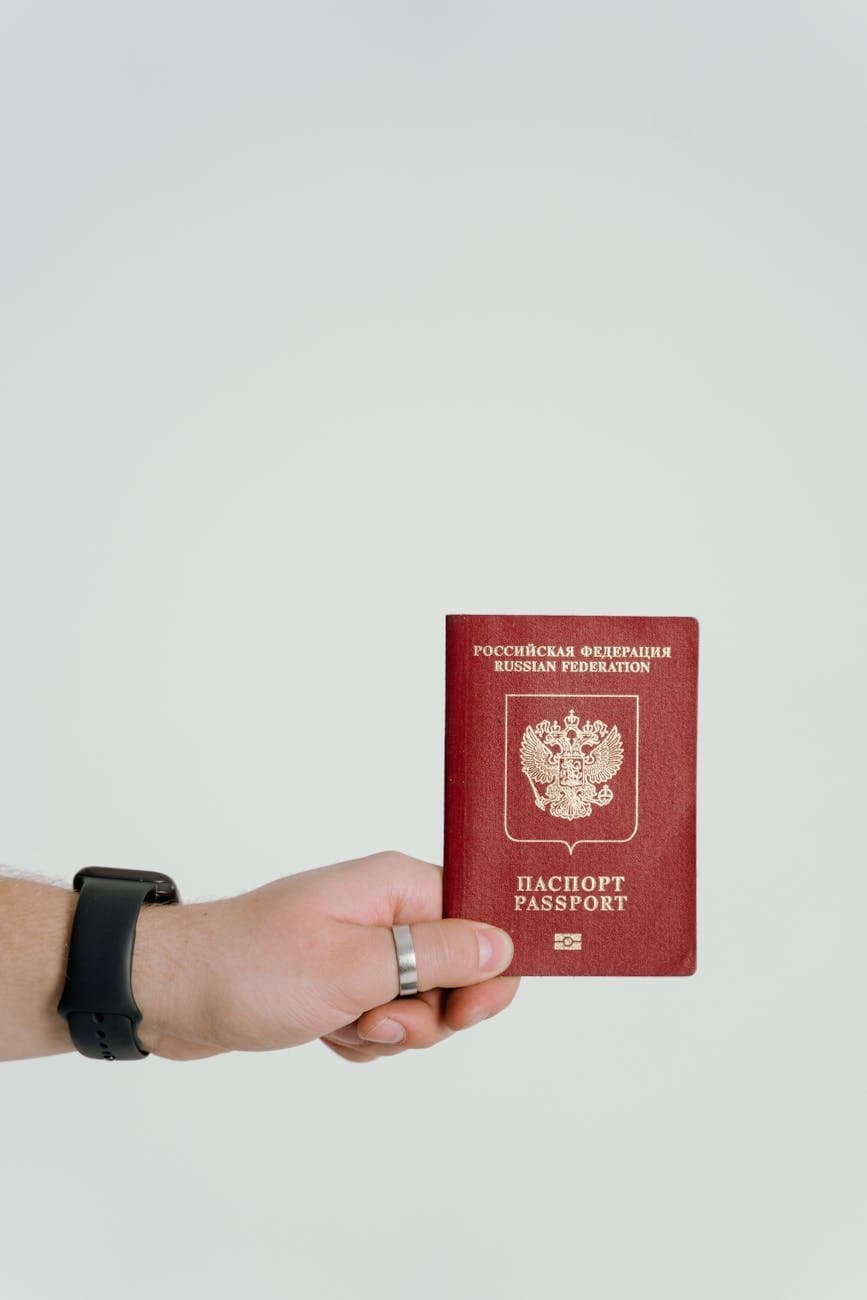
- Can my employer take my passport? No. It is illegal for an employer to withhold your passport or personal travel documents for any reason.

Bringing Family Members
Many work visas allow you to bring your partner and children with you. These family members are referred to as 'dependants.'
- Who qualifies as a dependant? Generally, your spouse, civil partner, or unmarried partner (if living together for 2+ years), and children under the age of 18.
- Can my partner work? On most long-term work visas, dependants have full right to work in the country without needing their own sponsorship.
- Do my children have access to healthcare and education? Yes, dependants typically have access to state-funded education and healthcare, though an Immigration Health Surcharge (IHS) is usually required during the application.

Pathways to Permanent Residency
For many, a work visa is the first step toward permanent settlement or citizenship. This process is often called 'Indefinite Leave to Remain' or 'Permanent Residency.'
- How many years does it take to qualify for residency? Most skilled worker routes require 5 years of continuous residence before you can apply for permanent status.
- Does time spent on a Student Visa count? Usually, time spent on a student visa does not count toward the 5-year residency requirement for work-based settlement, but it may count toward a 10-year 'long residence' route.
- What is the 'Life in the Country' test? Most residency applications require you to pass a test regarding the local culture, history, and laws, as well as meeting English language requirements.
Expert Tip: Keep a detailed log of any absences from the country, as exceeding a certain number of days outside the country can reset your residency clock.



Cabin Steward / Housekeeping Attendant

Deck Cleaning Crew


Related Articles

Jobs in Greece for Foreigners: 2026 Hiring Guide
Find seasonal work in Greece and start your European career fast.

Spain Work Permit: 2026 Guide for Foreign Workers
A clear guide to getting your Spain work visa and why seasonal paths are faster.

NZ Seasonal Jobs with Visa Sponsorship: 2026 Guide
Explore New Zealand's 2026 visa rules and discover why Mediterranean Europe offers a faster, easier path for seasonal work.